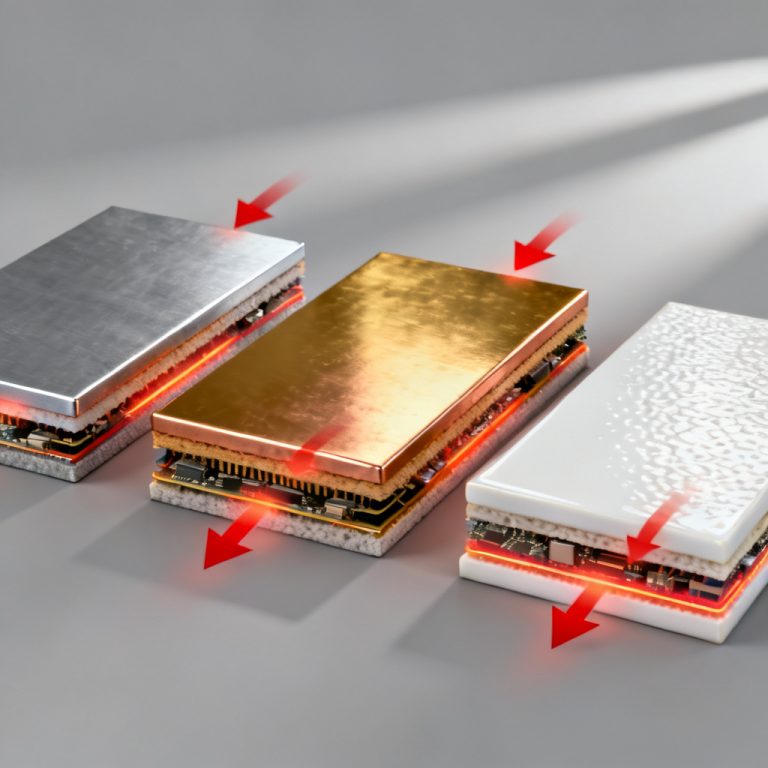
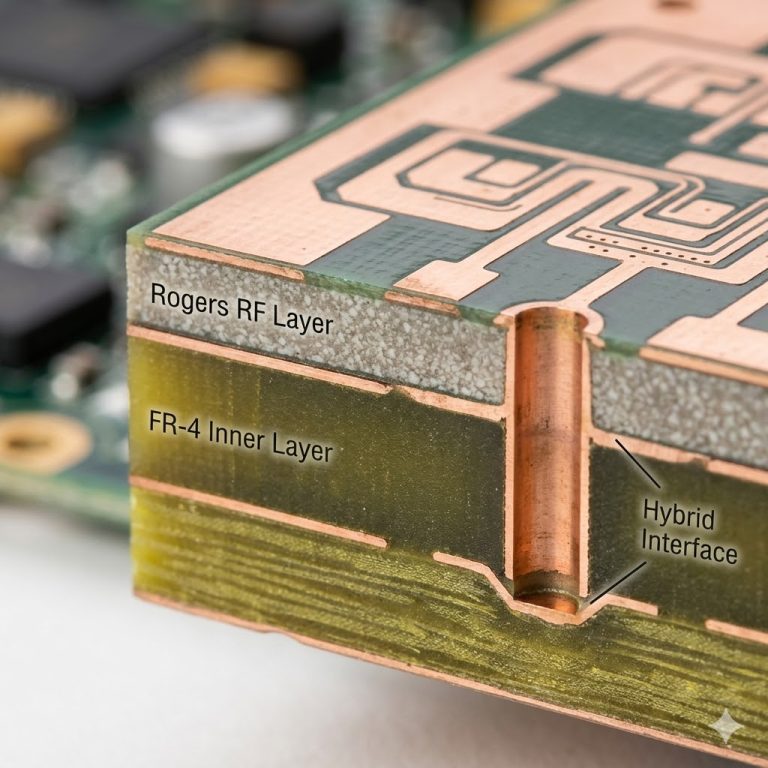
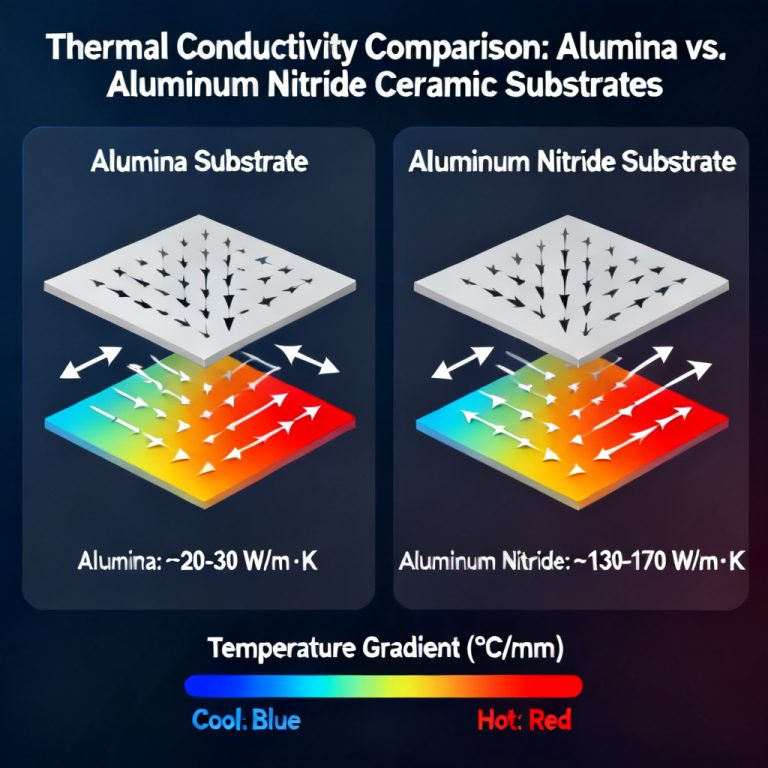
In modern high-speed digital design, 5G infrastructure, and 100G+ optical networks, Ultra-Low Loss PCB Laminates are critical for signal integrity. Standard FR-4 materials fail at high frequencies due to high dissipation factor (Df) and unstable dielectric constant (Dk). This definitive guide synthesizes top industry insights on Panasonic Megtron, Isola Tachyon, and Rogers I-Tera—the three leading ultra-low loss laminate families—to help you select the optimal material for your B2B PCB production and export needs.
1. The Core Science of Ultra-Low Loss PCB Laminates
1.1 What Defines “Ultra-Low Loss”?
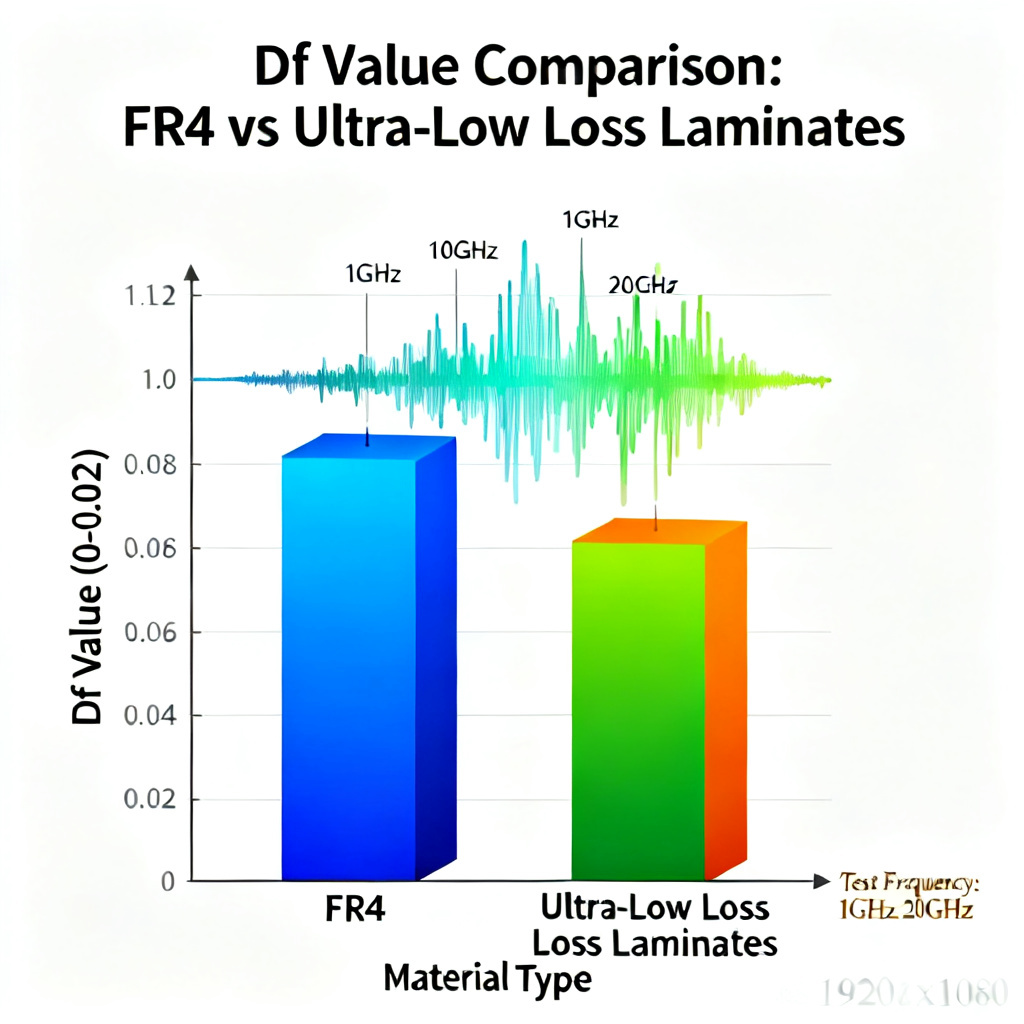
The primary metric is the Dissipation Factor (Df), or loss tangent. For Ultra-Low Loss PCB Laminates, Df is typically below 0.005 at 10 GHz, compared to standard FR-4’s ~0.020. Equally critical is the Dielectric Constant (Dk), which must remain stable across frequency and temperature to prevent signal skew. These laminates use specialized resin systems—modified epoxy, polyphenylene ether (PPE), or hydrocarbon/ceramic—combined with low-profile E-glass fabrics.
1.2 Why Not Just Use FR-4?
FR-4’s epoxy resin becomes highly polar at high frequencies, causing significant signal absorption. Its Dk also shifts with temperature and frequency, making controlled impedance unreliable. Ultra-Low Loss PCB Laminates use non-polar resins (PPE, PTFE, or polyimide blends) that resist molecular vibration, preserving signal integrity for applications like 100G+ optical and 5G radar.
2. Panasonic Megtron Series – The Workhorse for High-Speed Digital
2.1 Material Chemistry & Family Tree
The Megtron series is based on modified Polyphenylene Ether (PPE) resin. Key grades include: Megtron 4 (Dk ~3.5, Df ~0.003 at 1 GHz), Megtron 6 (Dk ~3.4, Df ~0.002 at 1 GHz, optimized for 25 Gbps+), Megtron 7 (Df <0.0015 at 1 GHz), and Megtron 8 (for sub-6 GHz 5G, Df ~0.0013, Tg >280°C).
2.2 Key Performance Characteristics
Megtron laminates offer excellent signal integrity for high-speed backplanes (PCIe Gen 4/5, 400G switches), superior thermal reliability (Tg >200°C), low Z-axis CTE for plated through-hole (PTH) reliability, and excellent CAF resistance. A major advantage is processing compatibility with standard FR-4 lines with minor modifications.
2.3 Ideal Applications
High-speed digital backplanes (25 Gbps to 112 Gbps), servers, switches, routers, 5G base station digital boards, and test & measurement equipment.
3. Isola Tachyon – The Low-Loss Leader for High-Speed & RF
3.1 Material Chemistry & Family
The Tachyon series uses a modified epoxy with PPE resin system with unique filler and glass technology. Key grades: Tachyon 100G (Dk ~3.02, Df ~0.0019 at 10 GHz), Tachyon 200G (Dk ~3.05, Df ~0.0014 at 10 GHz, with nano-filler technology), and Tachyon 300G (developmental, targeting 224 Gbps PAM4).
3.2 Key Performance Characteristics
Tachyon laminates provide extremely low loss, stable Dk across frequency (varies <1% from 1 MHz to 40 GHz), high thermal conductivity (0.7 W/mK for 200G), and excellent plating reliability. They often compete with PTFE-based materials while remaining processable on standard FR-4 lines.
3.3 Processing Considerations
Requires carbide drills with optimized geometry and high spindle speeds (100k+ RPM). A plasma desmear step is strongly recommended. Standard LPI solder masks work, but low-roughness masks are preferred.
3.4 Ideal Applications
100G/200G/400G optical transceivers, high-frequency RF/microwave circuits (up to 40 GHz), automotive radar (77-79 GHz), aerospace/defense electronics, and advanced test interfaces.
4. Rogers I-Tera – The Hybrid Solution for Mixed-Signal Designs
4.1 Material Chemistry & Family
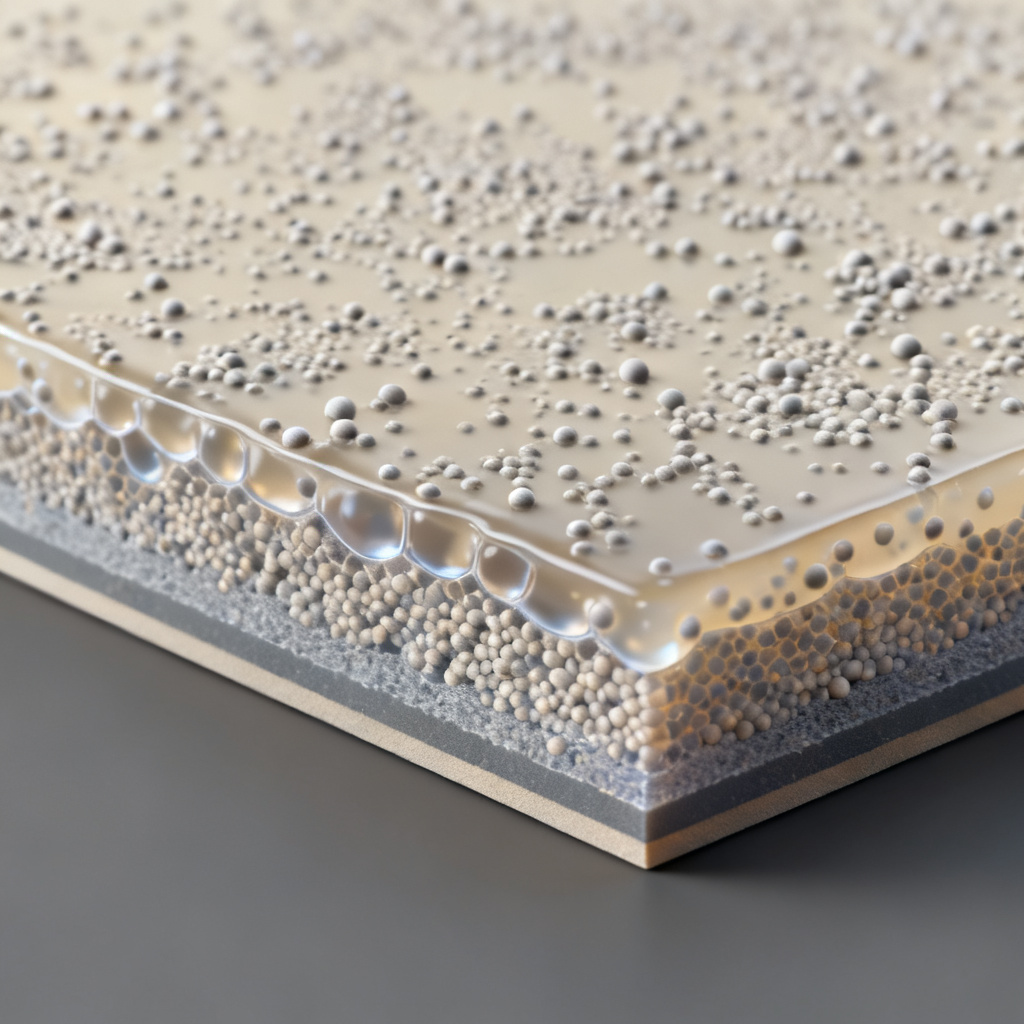
The I-Tera series is a unique hydrocarbon/ceramic laminate family. Key grades: I-Tera MT40 (Dk ~3.45, Df ~0.0021 at 10 GHz), I-Tera MT40 Plus (Dk ~3.45, Df ~0.0014 at 10 GHz), and I-Tera IS680/IS690 (Df ~0.0011 at 10 GHz, targeting 112 Gbps and 224 Gbps).
4.2 Key Performance Characteristics
I-Tera offers hybrid performance bridging PTFE and woven-glass laminates. It features the tightest Dk tolerance in the industry (±0.04), excellent thermal conductivity (0.8 W/mK for MT40 Plus), very low X/Y CTE (12-14 ppm/°C), and superior copper peel strength (>8 lb/in).
4.3 Critical Processing Nuances
Not a drop-in replacement for FR-4. Requires new sharp carbide drills at high spindle speeds with reduced feed rates. A plasma desmear step is mandatory. Low-roughness finishes (ENIG, ENEPIG) are recommended; HASL is not recommended. Multilayer lamination requires higher pressure and temperature.
4.4 Ideal Applications
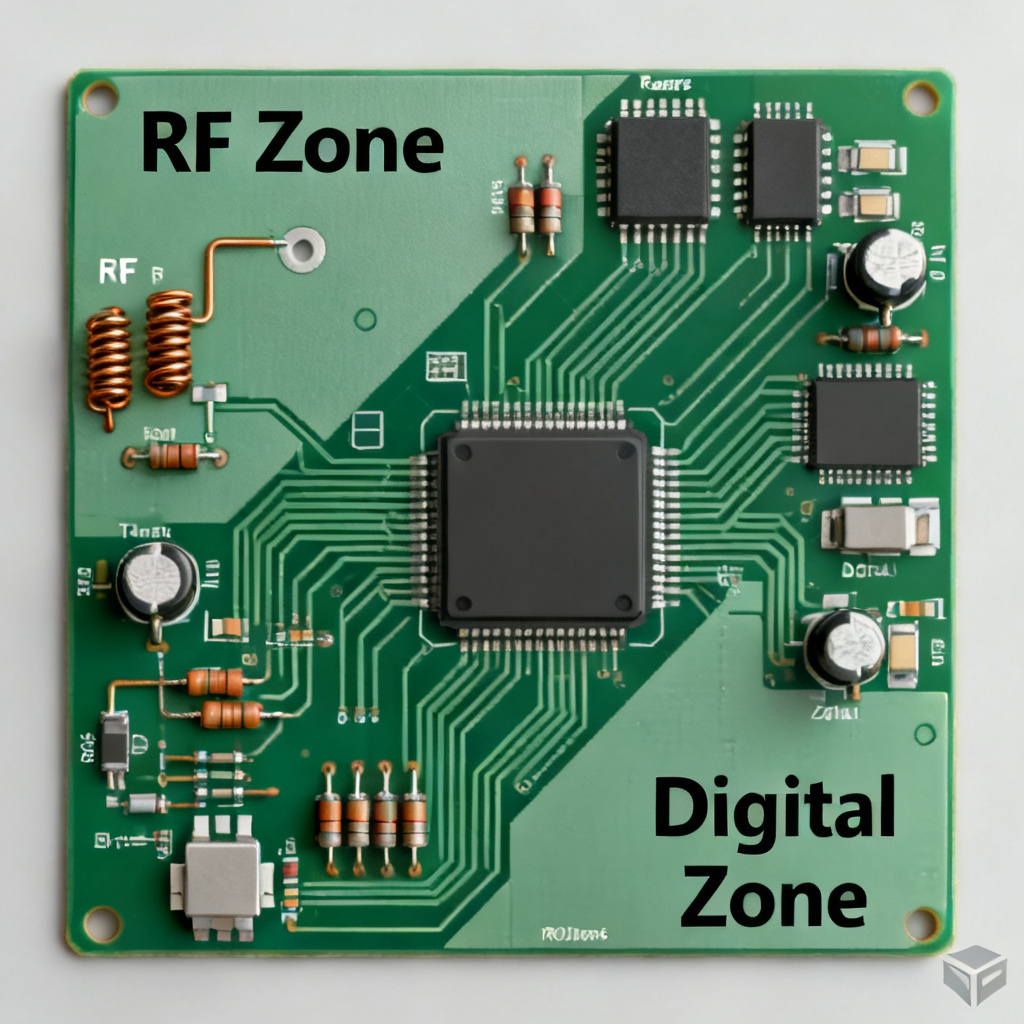
Mixed-signal boards (digital + RF), high-speed backplanes for 100 Gbps+ systems, 5G massive MIMO antennas, satellite communications (SatCom), military/avionics, and automotive radar modules.
5. Head-to-Head Comparison of Ultra-Low Loss PCB Laminates
| Feature | Panasonic Megtron 6/7 | Isola Tachyon 100G/200G | Rogers I-Tera MT40/Plus |
|---|---|---|---|
| Resin System | Modified PPE | Modified Epoxy + PPE | Hydrocarbon / Ceramic |
| Dk (10 GHz) | 3.4 – 3.5 | 3.02 – 3.05 | 3.45 |
| Df (10 GHz) | 0.002 – 0.005 | 0.0014 – 0.0019 | 0.0014 – 0.0021 |
| Tg (by DSC) | >200°C | >200°C | >280°C |
| Dk Tolerance | ±0.10 | ±0.10 | ±0.04 |
| Thermal Conductivity | ~0.3 W/mK | ~0.7 W/mK (200G) | ~0.8 W/mK (Plus) |
| Processing | Standard FR-4 line | Standard FR-4 line (with care) | Requires plasma desmear |
| Cost | $$ | $$$ | $$$$ |
| Best For | High-speed digital, backplanes | 100G+ optical, RF, automotive | Mixed-signal, high-reliability, tight Dk |
How to Choose the Right Ultra-Low Loss PCB Laminate
For pure high-speed digital (25-112 Gbps), choose Megtron 6 for cost-effective reliability. For ultra-low loss RF and 100G+ optical, choose Tachyon 200G. For mixed-signal designs requiring tight impedance control, choose Rogers I-Tera MT40 Plus for its unmatched Dk tolerance and thermal performance.
6. Processing Best Practices for All Three Families
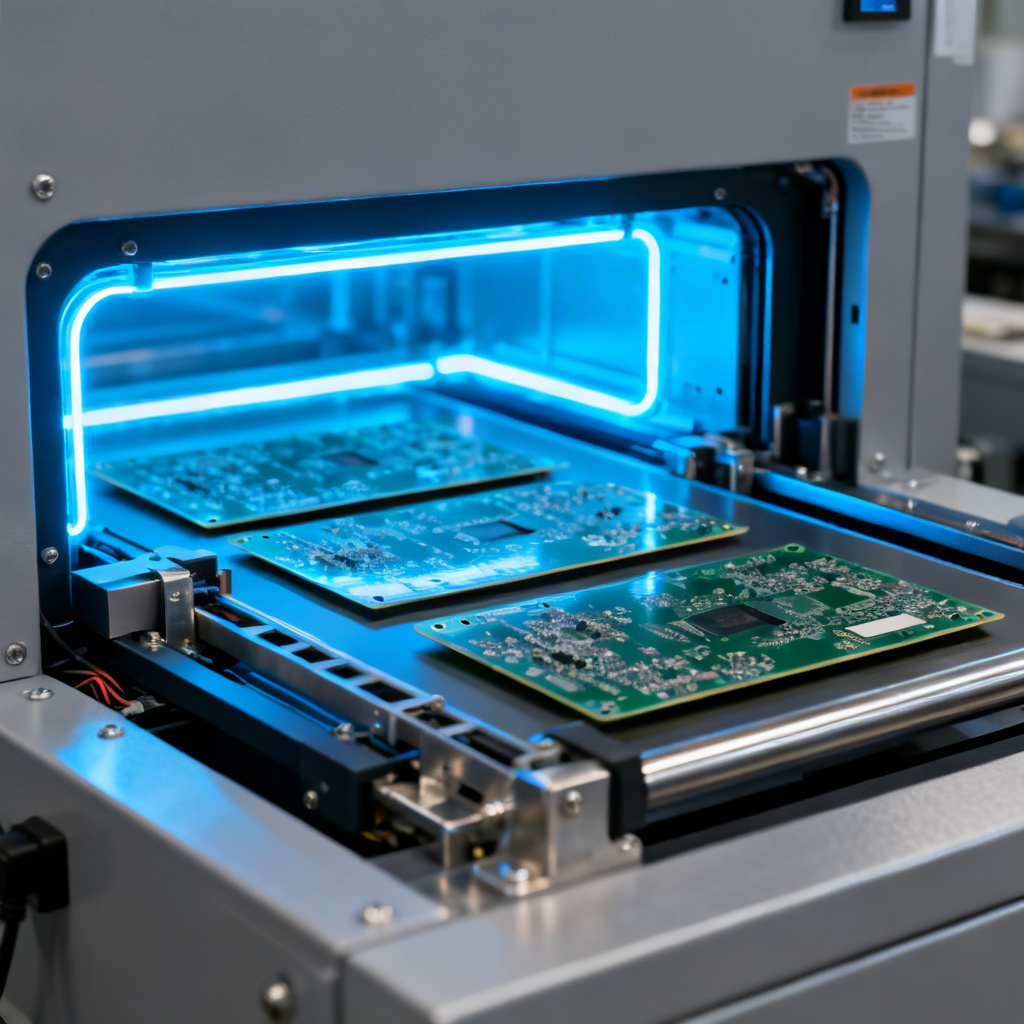
Regardless of the Ultra-Low Loss PCB Laminate chosen, adhere to these universal rules: moisture management (bake at 120°C for 2-4 hours), high spindle speed drilling (80k-120k RPM), plasma desmear for I-Tera (recommended for all), electroless copper plating with micro-etch, low-profile solder mask, and ENIG/ENEPIG surface finish.
7. FAQ About Ultra-Low Loss PCB Laminates
What is the difference between Megtron 6 and Tachyon 100G?
Megtron 6 has Df ~0.002 at 1 GHz and is optimized for high-speed digital backplanes, while Tachyon 100G has Df ~0.0019 at 10 GHz and is designed for 100G+ optical and RF applications with wider frequency stability.
Can I-Tera be processed on standard FR-4 lines?
No, I-Tera requires a plasma desmear step and specific drilling parameters. It is not a drop-in replacement for FR-4, but with proper adjustments, it can be processed on standard lines.
Which Ultra-Low Loss PCB Laminate is best for 5G radar?
For 5G radar (77-79 GHz), Rogers I-Tera MT40 Plus and Isola Tachyon 200G are both excellent choices due to their low Df and stable Dk at millimeter-wave frequencies.
Why is Dk tolerance important for Ultra-Low Loss PCB Laminates?
Tight Dk tolerance ensures predictable impedance control, reducing signal reflection and loss in high-speed designs. Rogers I-Tera offers the tightest tolerance (±0.04), making it ideal for impedance-sensitive applications.
What are the cost differences between these laminates?
Megtron is generally the most cost-effective ($$), followed by Tachyon ($$$), and I-Tera ($$$$). The cost reflects the performance and processing complexity.
8. Conclusion: Partnering for Success
Selecting the right Ultra-Low Loss PCB Laminate is a critical engineering decision. Megtron offers the best balance for high-speed digital, Tachyon provides the lowest loss for 100G+ applications, and I-Tera delivers unmatched Dk stability for mixed-signal designs. As your trusted PCB manufacturing partner, we have deep expertise in processing all three families. Contact our engineering team to discuss your next high-speed project.